Guide
How to Set Up a Vegetable Terrace Garden
Plan beds and containers, choose vegetables by season, and keep a terrace vegetable garden going all year.
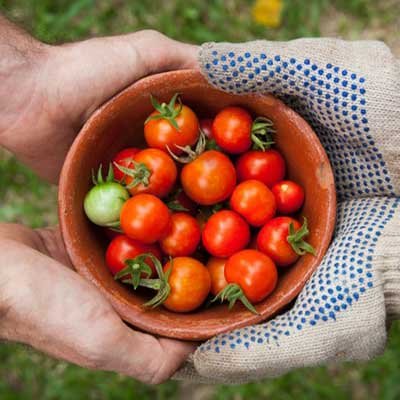
A vegetable terrace garden gives you fresh produce a few steps from the kitchen. Many people start enthusiastically and give up within a few months. Good planning and simple routines make the difference.
Why grow vegetables on the terrace
- Fresh food at hand: pick what you need, when you need it.
- You know how it was grown: choose your own seeds, compost and pest control.
- Less waste: kitchen scraps become compost for the next crop.
- A cooler roof: planted areas shade part of the slab from direct sun.
- A rewarding hobby: time outdoors, and something to share with family.
Plan before you plant
Confirm the terrace is waterproofed and drains well. Place heavy containers near walls and columns. Map the sunniest areas for fruiting crops and the shadier ones for greens. Start with six to ten containers or one raised bed, not the whole terrace.
What to grow by season
| Season | Good choices |
|---|---|
| Summer | Okra, gourds, cucumber, amaranth, chilli |
| Monsoon | Beans, brinjal, spinach, coriander, ginger and turmeric |
| Winter | Tomato, cabbage, cauliflower, carrot, radish, lettuce, peas |
Timings vary by region; follow local sowing calendars.
Water and feed
Containers dry quickly on a hot terrace. Water deeply in the morning, mulch the surface, and consider a drip kit. Add compost every few weeks and liquid feeds such as diluted vermiwash when plants are flowering and fruiting.
How to keep going
- Sow small batches every two to three weeks for a steady harvest.
- Keep a simple notebook of what you sowed and when.
- Deal with pests early with neem oil and by removing affected leaves.
- Rotate crops so the same family does not grow in the same container twice in a row.
Add a hydroponic corner
Leafy greens and herbs grow quickly and cleanly in a hydroponic NFT kit, freeing your soil containers for fruiting vegetables. For larger terraces, we also design rooftop hydroponic farms.
Which vegetables are easiest on a terrace?
Chilli, tomato, beans, okra, spinach, amaranth and coriander are reliable starters.
How deep should containers be?
About 15–20 cm for greens and 30 cm or more for tomato, brinjal and chilli.
How do I get a steady harvest?
Sow small batches every two to three weeks rather than everything at once.
Talk to Greenly
Thinking bigger than a garden?
We plan and build commercial hydroponic farms and polyhouses. Tell us about your site.