Guide
Vertical Gardening: Types, Benefits and How to Start
Living walls, towers and vertical hydroponics compared, with tips on plants, watering and upkeep.
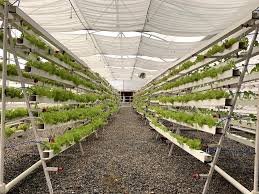
Vertical gardening grows plants upwards instead of outwards. It adds greenery to walls, balconies and small spaces, and in vertical hydroponic systems it multiplies the number of plants you can grow on a floor.
What is a vertical garden?
Any system that holds plants in layers or on a wall: pocket planters, modular wall panels, stacked towers, trellised climbers or racks of hydroponic channels. The right type depends on whether the aim is decoration, food or both.
Types of vertical gardens
- Outdoor living walls: panels or pockets fixed to exterior walls or balcony railings, usually with drip irrigation.
- Indoor green walls: modular panels for lobbies, offices and homes, planted with shade-tolerant foliage.
- Towers: freestanding columns with plants on all sides, popular for strawberries, herbs and lettuce.
- Vertical hydroponics: NFT or DWC channels stacked in racks, often with LED lights, for growing food indoors.
Benefits
- Space: many more plants in a small footprint.
- Comfort: planted walls can shade surfaces from direct sun and make spaces feel cooler.
- Wellbeing: greenery makes homes and workplaces more pleasant.
- Food: vertical hydroponic racks produce herbs and greens close to the kitchen.
Plant selection
For decorative walls, choose compact, shallow-rooted plants: ferns, pothos, philodendron and succulents. For edible walls and towers, choose lettuce, spinach, basil, mint and strawberries. Match plants to the light each part of the wall receives; upper rows often get more sun and dry faster.
Watering and feeding
Hand-watering a wall is tedious and uneven. Use drip lines on a timer for soil-based walls, or a recirculating pump in hydroponic systems, which feeds every layer evenly and returns unused solution to the tank.
Maintenance
- Check emitters and pumps monthly.
- Trim plants so lower rows still get light.
- Replace weak plants quickly to keep the wall full.
- Clean filters and flush lines every few months.
Start with a vertical kit
Our 40 planter vertical balcony setup and 72 planter indoor rack are ready-to-assemble vertical hydroponic systems. For commercial vertical farms, see indoor farm setup.
What plants are best for a vertical garden?
Compact, shallow-rooted plants: ferns, pothos and succulents for decoration; lettuce, herbs and strawberries for food.
How do you water a vertical garden?
Drip irrigation on a timer for soil-based walls, or a recirculating pump for vertical hydroponics.
Can vertical gardens grow vegetables?
Yes. Vertical hydroponic racks and towers grow leafy greens, herbs and strawberries well.
Talk to Greenly
Thinking bigger than a garden?
We plan and build commercial hydroponic farms and polyhouses. Tell us about your site.