Indoor farms
Indoor Hydroponics Farm Setup
Indoor farms remove the limits of climate and geography. We design vertical systems, lighting and climate control so crops grow in a fully controlled environment.
- Multi-layer vertical racks
- LED grow lights
- Climate control
Overview
Why indoor hydroponic farms
Indoor hydroponic farming grows food where open-field farming struggles: in cities, on unused floors and in regions with harsh climates. Greenly Hydroponics sets up indoor farms of different sizes and types.
- Cleaner produce: growing indoors avoids polluted irrigation water and dust that can affect field crops.
- Less water: hydroponics uses a small fraction of the water soil farming needs, and solution is recirculated.
- Year-round supply: controlled light and climate mean steady harvests in every season.
- More from less space: stacked layers multiply growing area on the same floor.

Indoor system 1
Vertical NFT system
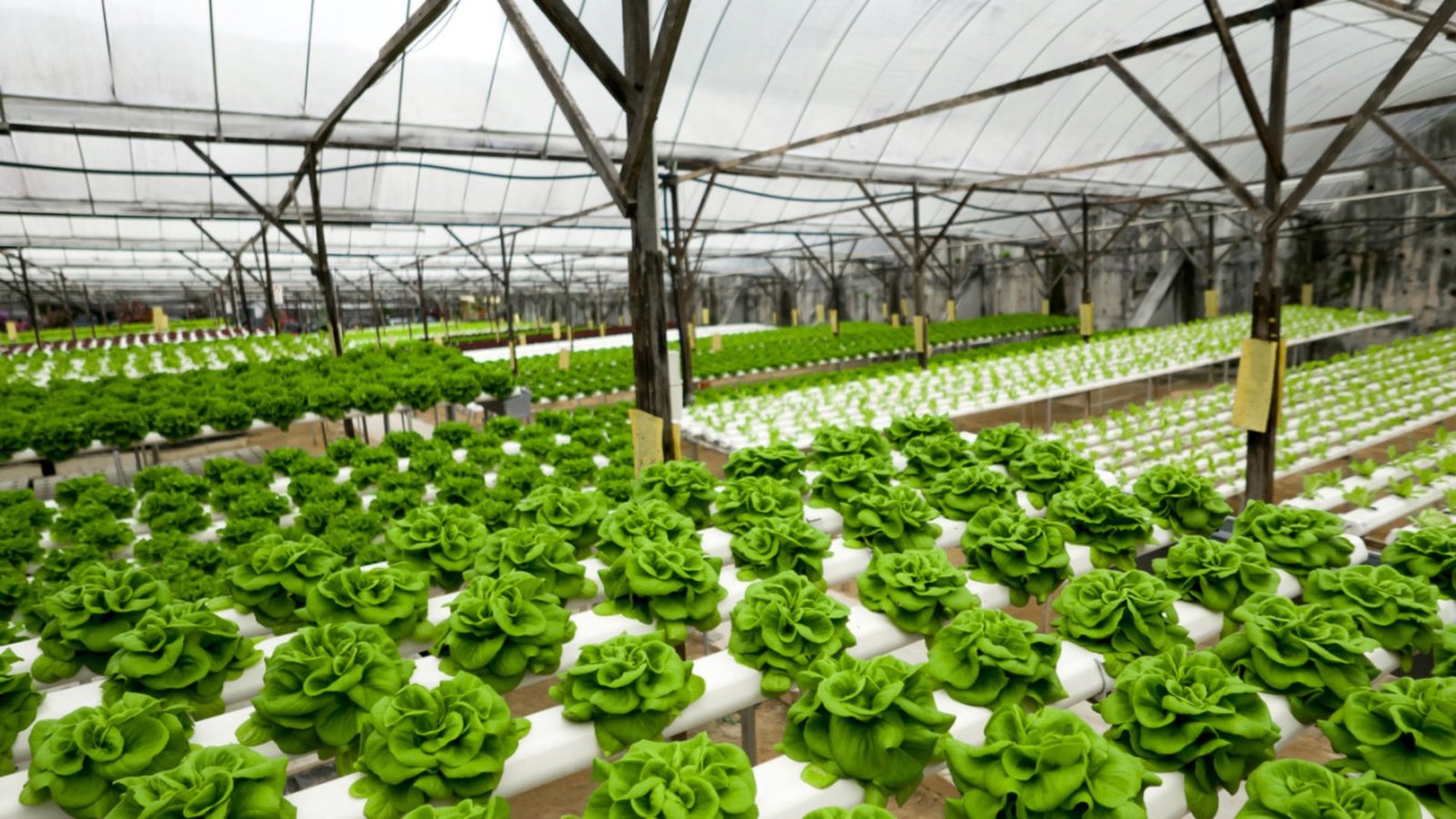
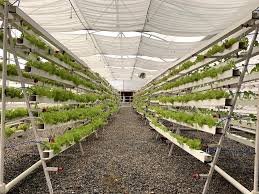
NFT means nutrient film technique. A mineral-nutrient solution flows through channels past the plant roots, which hang partly in air for good oxygen exposure. In a vertical NFT system, channels are installed in several layers stacked one above another, which increases yield per square foot.
- More yield per unit area
- Year-round production
- Less water lost to evaporation
- No soil-borne diseases
- Suits rooftops and balconies
- Nutrient solution delivered to every plant
Indoor system 2
Vertical DWC system
DWC means deep water culture. Plant roots stay submerged in well-oxygenated, nutrient-rich water at all times. Air pumps connected to the reservoir keep oxygen levels up.
- Saves floor space
- Multi-layer farming
- Height designed to your ceiling
- Fast growth for leafy crops
- Basic model: about 10 ft tall with 4 to 5 layers

Lighting
Grow lights for indoor farms
Indoor crops need artificial light in the right intensity and spectrum. Plants use mainly red (warm) and blue (cool) light for growth. We size and position LED grow lights so every layer receives the light it needs.
- Promotes healthy growth and development
- Good for leafy greens and herbs
- Built for multi-layer setups
- Correct light intensity for each crop

Compare
Vertical NFT or vertical DWC?
| Vertical NFT | Vertical DWC | |
|---|---|---|
| How roots get nutrients | Thin film flowing through channels | Roots sit in oxygenated solution |
| Best crops | Lettuce, herbs, spinach, pak choi | Head lettuce, kale, large leafy greens |
| Water volume | Low | Higher, more stable temperature |
| Tolerance to pump outage | Lower: roots dry quickly | Higher: roots stay in water |
| Typical use | Dense vertical racks | Racks with deeper troughs |
Final selection depends on crop, ceiling height, power backup and budget.
What is an indoor hydroponic farm?
It is a farm inside a building, warehouse, basement or enclosed rooftop where light, temperature, humidity and airflow are controlled. Plants grow in vertical NFT or DWC racks under LED grow lights.
Do indoor farms need grow lights?
Yes, unless the space gets strong natural light. Plants use mainly the red and blue parts of the spectrum; full-spectrum LED grow lights supply the light crops need for healthy growth.
Which crops grow best indoors?
Lettuce, basil, mint, spinach, pak choi, microgreens and other leafy greens and herbs. Fruiting crops are possible but need more light and space.
How tall are vertical systems?
A typical basic vertical DWC model is about 10 ft tall with 4 to 5 layers. Height and layers are designed for your ceiling and access.
Are indoor farms expensive to run?
Lighting and climate control add power cost. The feasibility study estimates power use against yield and price, so you can judge viability before investing.
Keep exploring
Related services

Outdoor farm setup
Turnkey NFT, DWC and Dutch bucket farms in open or semi-protected sites, built for year-round production.
Explore outdoor farms
Polyhouse structures
Fan & pad and naturally ventilated polyhouses, shade net, tunnel and dome houses designed for your site.
Explore structures
Subsidy-based farms
Soil-less grow-bag farms in polyhouses and net houses, with project reports and documents prepared for scheme applications.
See subsidy modelsTalk to Greenly
Planning an indoor or vertical farm?
Send us the floor area, ceiling height and crops. We will suggest the rack system, lighting and climate control.